
ホーム 著者 からの投稿 Naomi Mishima

Naomi Mishima

Naomi Mishima
1616 投稿 0 コメント

祝*成人式2025~新成人の皆さまへ

ご成人、おめでとうございます。 心よりお祝い申しあげます。
東漸寺では、ご成人になられた皆さまのご健康とご健闘を願いまして、合同の法要を行います。
是非、ご家族お揃いでお越しくださいませ。

東漸寺

成人式合同法要:日時 1月19日(日曜日) お経読開始:午後1時半
住所:209 Jackson street Coquitlam,B.C. Canada V3K 4C1

早めにいらして本堂でお待ちください。
お名前のお読み上げをご希望の方は、事前にフルネームをお知らせください。

●日本の成人年齢が、2022年4月から18歳に引き下げられました。

東漸寺では、グローバルスタンダードに合わせまして、18歳、19歳、20歳の皆さまに対応させていただきます。
(日本での成人年齢につきましては参照をご覧ください。)

●合同の法要になります。お布施はお心入りとして$30〜donatiionをお願いしております。

表面に「お布施」裏面にお名前とご住所を書いて現金でご持参ください。
(お名前の読み上げをご希望の方は、受付にてお知らせください。$50~donatiionをお願いしております)

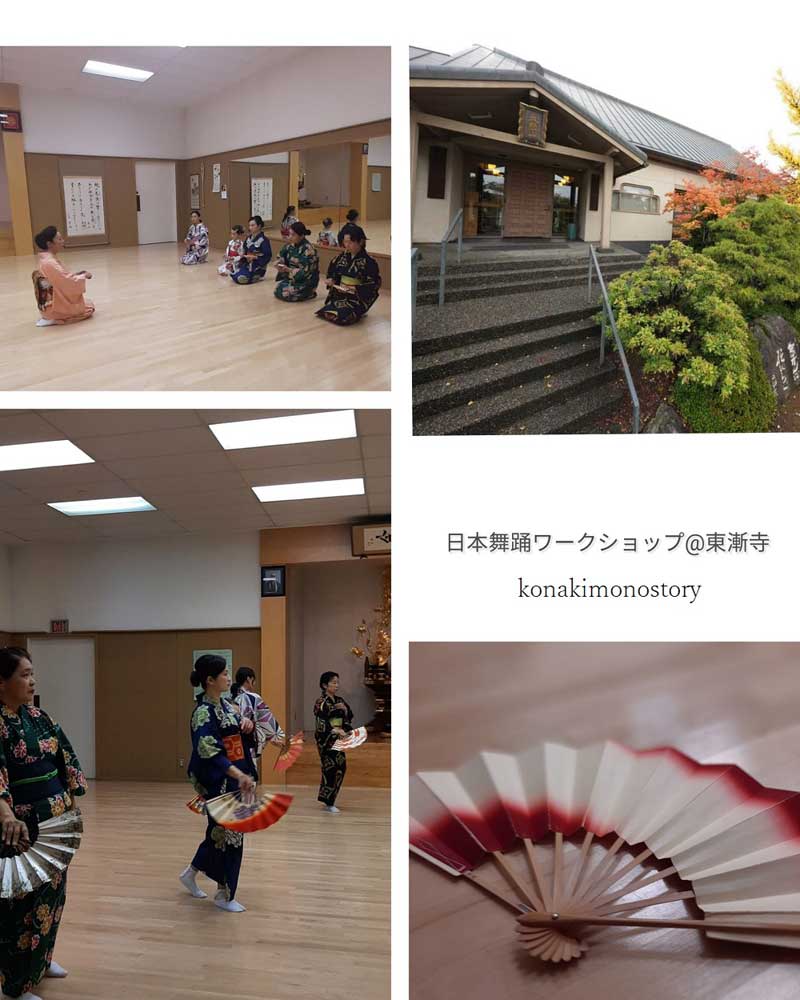
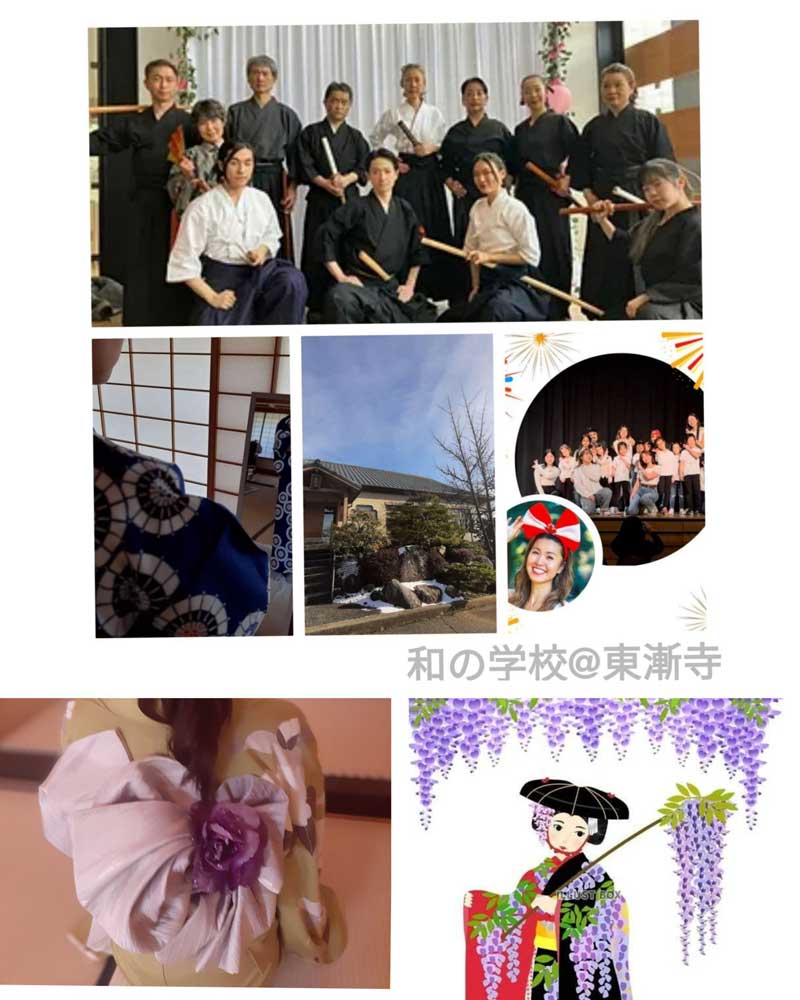
●和の学校@東漸寺では、着物レンタル、着付サービス及び写真撮影をさせていただきます。料金は別途となります。

お見積をご希望の方は、ともこまでお問い合わせくださいませ。 お問い合わせ、お申し込みは コナともこ 

和の学校@東漸寺 tands410@gmail.com 
ホームページ https://wanogakkou.jimdofree.com/

<Tozenji Temple>東漸寺関係

Japanese culutre school 和の学校@東漸寺Homepage https://wanogakkou.jimdofree.com

Japanese culutre school  和の学校@東漸寺Instagram https://www.instagram.com/wa_no_gakkou_tozenji

Japanese culutre school  和の学校@東漸寺Facebook https://www.facebook.com/profile.php?id=100069272582016

Tozenji東漸寺Homepage https://tozenjibc.ca

  <Kona Kimono Service>着物関係

コナ着物サービス
(小長谷朋子ピーターズ)

*着付教室*着物レンタル*着付け&和装ヘアーメイク*

e-mail tands410@gmail.com

Facebook https://www.facebook.com/tomoko.kona.98

Instagram https://www.instagram.com/konatomoko/?hl

Kimono column (Sorry only Japanese language)
毎月、季節と着物について綴っております。

https://www.japancanadatoday.ca/category/column/kona-kimono-story

ラインやメッセンジャーでも受け付けております。
LINE(ラインは修理中です)
朋子ライン QRコード.jpg
MESSENGER  
Tomoko Kona or Tomoko Konagaya Peters

《参照》
日本文化研究ブログ
【2024年】成人式はいつ・何をする?年齢は何歳?行かないと後悔する? – 日本文化研究ブログ https://jpnculture.net/seijinshiki/

“Stories of Japanese Canadians: Memories for the Future Generation” Ms. Kikuko Tasaka

Ms. Kikuko Tasaka/キクコ・タサカさん

“Valuing the Japanese Canadian Community”

Ms. Kikuko Tasaka

Born in 1939, Steveston, British Columbia
Moved to Greenwood in 1942, back to Vancouver in 1958
Paternal grandfather originally from Ehime Prefecture, maternal grandfather originally from Mio, Wakayama Prefecture

Life in Greenwood

The Tasaka family relocated from Steveston to Greenwood in 1942. Before the internment, Ms. Tasaka’s father was a barber in Steveston. “We had a big and nice building, but we were relocated shortly after it was built,” she said. Ms. Tasaka was three years old at the time.

Greenwood, located in the central-southern part of British Columbia, near the American border, and about 400 kilometres east of Vancouver, was one of the government-supported internment sites. Unlike other camps, Greenwood welcomed Japanese Canadians who were forcibly relocated from Vancouver. Franciscan Friar Benedict Quigley and Franciscan Sisters played significant roles in supporting the Japanese Canadian community there.

Greenwood

“I didn’t have any bad experiences at all in Greenwood,” Ms. Tasaka recalled. She noted that carpenters arrived in Greenwood ahead of the internees to build essential items like beds, tables, chairs, and even Japanese-style baths to prepare for their arrival.

However, there were challenges. “The place was cold in winter in the first year because Vancouver was warm. Greenwood was deep in the mountains, so it was really cold,” she remembered. To cope, they used discarded military blankets and uniforms they purchased. “That’s how we managed because we had nothing.”

Despite the initial hardships, Ms. Tasaka found life in Greenwood enjoyable. School began promptly, run by Franciscan nuns. “That school was very good. It went up to Grade 8, and they even taught us skills like typing for jobs,” she said.

The community also organized Japanese festivals. “People wore kimonos, and there was dancing. The Japanese Canadian community also put on plays, and it was really fun,” she added. They formed a strong community because the town accepted Japanese Canadians. “The hakujin (white) residents of Greenwood were happy to have Japanese Canadian people come. They were pleased because the Japanese shared their culture, taught various things, and organized festivals. Everyone was glad.”

Even after the internment ended, Ms. Tasaka’s parents chose not to leave Greenwood. “They were happy, saying there was no town as good as Greenwood,” she said.

Overcoming Discrimination in Vancouver

After living in Greenwood for about 15 years, Ms. Tasaka returned to Vancouver. She recalls that many people left Greenwood around the age of 18 to look for work. “There were no jobs in Greenwood,” she explained. She was one of them.

By then, it was the late 1950s. Although the internment officially ended in 1949 and Japanese Canadians were free to move as they pleased, Ms. Tasaka says she will never forget the discrimination she faced upon returning to Vancouver. “The people here looked down on us. Not everyone—there were good people, too—but we all had to endure it. We had no choice but to endure it. The discrimination was really tough. It was painful to feel discriminated against. Some people were terrible, but there was nothing we could do.”

She believes the widespread discrimination contributed to why many Nisei (second-generation Japanese Canadians) stopped using the Japanese language. “When everyone came back to Vancouver, they didn’t want to speak Japanese. They tried to use English as much as possible,” she said. “Because of the discrimination, they didn’t want to show they were Japanese. At the time, we had no choice.” Now, when she speaks with other Nisei, she senses some regret in their voices as they say, “I wish I had kept speaking Japanese.”

As Sansei (third-generation Japanese Canadian), Ms. Tasaka speaks fluent Japanese. She attributes this to her upbringing in Greenwood, where they spoke Japanese at home and within the community. “Our parents couldn’t speak English, so we used Japanese,” she adds. In Greenwood’s large Japanese Canadian community, she didn’t feel discrimination there. “But when we returned to Vancouver, society was different, and we couldn’t use Japanese.”

Despite the challenges, she and her peers formed their own community in Vancouver. They gathered occasionally and enjoyed dance parties and festivals. “It wasn’t so bad, despite the discrimination,” she said. “We endured and did our best.” She added that they are still friends after 60 years.

Valuing the Japanese Canadian Community

“I still think of myself as Japanese, no matter where I am—even though I’m already a third-generation Japanese Canadian,” Ms. Tasaka said. Her paternal grandfather immigrated from Ehime Prefecture in 1890. He ran a business on Salt Springs Island, near the southern part of Vancouver Island. Her father was born there. Her maternal grandfather came from Mio, a village in Wakayama Prefecture. “Our parents passed us so many good aspects of Japanese culture. I never want to lose that.”

Ms. Tasaka, who often interacts with people visiting from Japan, shared, “I don’t know how to put it…in English, I’d say they are ‘kind’ and ‘considerate.’” Although she was born and raised in Canada and engages with other Canadians, she admitted, “I don’t know why, but I feel more comfortable with Japanese people. Maybe I shouldn’t say that, but it’s true,” she added with a laugh.

She volunteers at the Tonari Gumi, a Japanese-language volunteer organization founded in the 1970s to help issei (first-generation) and nisei seniors who struggled with English. Today, Tonari Gumi continues to provide Japanese-language services, mainly for seniors.

“I wanted to do today’s interview in Japanese,” she said. One reason is to inspire the Nisei, who often lack confidence in speaking Japanese. Another reason is to share the experiences of the Issei and Nisei, who endured hardship during the internment, directly with people from Japan who may be unfamiliar with their stories.

“Sometimes, people don’t understand the struggles (the) Issei and Nisei faced. I want immigrants from Japan to know what the Issei went through,” she explained. She hopes people in Japan take note and learn what happened to Japanese Canadians during and after the war.

(Text: Naomi Mishima)

Related Articles

***

***

“Stories of Japanese Canadians: Memories for the Future Generation” Mr. Ed Hayashi

Mr. Ed Hayashi/エド・ハヤシさん

“Embracing Our Japanese Heritage”

Mr. Ed Hayashi

Born in April 1937, Steveston, Richmond, British Columbia
Moved to Taber, Alberta in 1942, stayed until 1950
Retired carpenter
Parents originally from Shiga Prefecture

From Steveston to Southern Alberta

Mr. Ed Hayashi and his family left Steveston in 1942. Their destination was Taber, in southern Alberta. Mr. Hayashi says he doesn’t remember much about living in Steveston or moving to Alberta.

Taber, Alberta

“I don’t remember because I was quite young at that time. So, I don’t remember leaving BC,” he said.

In Taber, his parents worked on a sugar beet farm. Why Alberta? Many of the government-supported internment camps were in BC, but Mr. Hayashi explained, “At that time, my parents had four kids. We were all one year apart.” He was the oldest, with three younger siblings. ” My parents want us to live together. And that’s why I think they chose to move to Taber, Alberta.” Sugar beet farms needed workers, and families who chose to relocate to the farms were allowed to move together.

However, the living conditions were not much better than in the internment camps. He recalled, “We lived in a company house. It was a shack. Now, those days were very cold and no insulation, no electricity.” The only source of heat was a coal stove. “It’s a stove where you have to put coal in and then heat the house. That’s all we had for heat. I remember very cold days, my mother used to have a rock, and put it on the stove and heat the rock up. And then use old blankets around the rock. And, put it beside the bed so we can keep our feet warm.”

He remembers that the water boiling on the stove would freeze over by the next morning. “That’s how cold it was,” he said. In winter, temperatures in Taber averaged around minus 10 degrees but could drop as low as minus 40. Despite those conditions, the six family members lived in a small shack without electricity or insulation. Even so, he added, “It’s a good experience of this,” with no trace of hardship on his face.

Heating wasn’t the only challenge. “There wasn’t much food,” he recalled. “We ate what we grow. I think we grew things that (would) last during the winter. My dad used to go maybe once a week shopping then. Everybody’s grocery there.” The nearest town for grocery shopping was 2 to 3 miles (about 3 to 6 kilometres) away, and his father would make the trip in an old truck. “We ate what we got. We’re not very fussed about food. We ate what was on the table. So that’s how we lived.”

A Childhood Without Feeling Discrimination

Even during the internment period, Mr. Hayashi attended school. He went from Grades 1 to 3, along with his younger siblings. They got to school by horse-drawn buggy. “I remember going to school on a horsing buggy those days,” he smiled. Although living conditions were harsh, as a child, “We enjoyed some of the things we played on the field.”

He even had a white friend. “We were small. We didn’t know too much about the war, you know? So, we had a good time, I guess in some ways,” he added.

He also attended Sunday school. “When we were small, we went to Sunday school,” he remembered. “Every Sunday, there used to be a lady that came to pick us up on her car. And take us to Sunday school in Taber, Alberta. So, we look forward to going to Sunday school. So, we learn more about Jesus Christ.”

Looking back on his school days, he doesn’t recall experiencing any particular discrimination against Japanese Canadians. “We were kids so I guess we didn’t have that much discrimination,” he reflected.

Back to Vancouver

In April 1949, after the Canadian government lifted the restriction, and Japanese Canadians were finally allowed to move freely in the country. The Hayashi family lived in Taber until 1950, when they returned to Vancouver. Mr. Hayashi’s father, who wanted to return to fishing, found a job at the Great Northern Cannery in West Vancouver.

“When we came back, in fact, we didn’t have no money to come back,” he said “So, my dad had to borrow money from his aunt to come back from Alberta to Vancouver.” His father repaid the borrowed money by working as a fisherman. Mr. Hayashi recalls that his parents faced hardships, both in Alberta and after returning to Vancouver.

In West Vancouver, they lived in a company house. He remembers that other Japanese Canadian families also lived there. At that time, Mr. Hayashi was 12 years old and attended school in West Vancouver. He and his siblings were the only Japanese Canadians attending from the cannery. All his classmates were white, but even so, he said he didn’t particularly feel any discrimination.

Later, he left school and attended a carpentry training program for a year. After completing three years of apprenticeship, he started working as a carpenter. During that time, he felt discrimination against Japanese Canadian carpenters. Since being a union member was essential for finding work, he joined in 1957. He recalls that it was a challenging time to find carpentry jobs. Although he had Japanese Canadian friends among his fellow carpenters, they never spoke about the internment period.

On the Canadian Government’s Internment Policy for Japanese Canadians

Mr. Hayashi did not directly participate in the “Redress Movement.” He remembers that well-educated individuals led the movement around 1988 and that he received $21,000 as part of the redress settlement.

When asked about the Canadian government’s internment policies toward Japanese Canadians, he said, “That’s a shame.” He added, ” I think Japanese Canadians lost everything. They lost their house. They lost your fishboat to where they work to make a living. They lost a lot, a lot of things that we never got back.”

He then shares a story about a tour he took to Salt Spring Island, organized by Tonari Gumi (Japanese Community Volunteers Association). He speaks about a Japanese man who had arrived in the late nineteenth century. “Tonari Gumi had a trip to Salt Spring Island on a tour, not very long ago and I went on that tour. And this Japanese man from Japan had 500 acres he bought. Now it’s worth a lot of money. And he never got a penny back. Isn’t that a shame?”

In the late nineteenth century saw Japanese immigrants settled on Salt Spring Island, making living through fishing and farming. But Mr. Hayashi added, “(They) lost everything. So that’s a shame.” Before the war, the Hayashi family lived in a company house, so they didn’t own a house that could be confiscated. However, their fishing boat was taken, and even after the internment ended, it was never returned.

Embracing Our Japanese Heritage

Mr. Hayashi’s first trip to Japan was in 1985, at the age of 47. He went to work as a carpenter. In Vancouver, he met a Japanese man named Mr. Suzuki, who was looking for someone to build a house in Japan. “I could speak a little Japanese,” he laughed, recalling how he was asked, “Would you be interested in building a house in Nishinomiya?”

He continued, “I start thinking myself, I’m living right now in Vancouver and got a good opportunity to go to Japan. A free trip and you get money coming from Japan. So, my job here closed down. I went to Japan. The free trip and make money at the same time and see Japan, what an opportunity.” He stayed for three months, and the house he built still stands in Nishinomiya, Hyogo Prefecture.

When asked about his first impression of Japan, he said, “Japanese people are very polite, you know, very polite people. And very nice and they try to help. I’m Japanese-Canadian. I don’t speak too good of Japanese. I got along.”

His connection with Japan continues to this day. He currently volunteers at “Tonari Gumi”, a Japanese Canadian volunteer organization in Vancouver founded in 1974. Its purpose is to assist the first-generation Japanese immigrants who, after being released from internment, were already seniors and spoke Japanese as their native language.

“I like to volunteer. I help seniors. I still help seniors. I’m senior myself. But, I’m still pretty active,” he chuckled.

He learned his Japanese from his parents. “I learned from my parents. We were talking at home so I picked it up.” It has been further polished through his work with Tonari Gumi. He added, “They speak mostly (Japanese). So, I picked it up and then I kind of get better. Every time I go out, I speak, you know, I can hear them speaking and I can understand what they are talking about.” Throughout the interview, Japanese phrases slip into his conversation.

As for Japanese culture, Mr. Hayashi believes it’s something to be preserved. “I think we should keep our culture. It’s very important that we’re still Japanese. We have culture. I think we should keep it up.” This includes the attitudes associated with being Japanese. “The Japanese people are very polite”, he continued. “And most of them are honest people. I’m saying most. And I like to keep it that way. We’re well known for good people, honest people, and hard-working people.”

Working hard is a value he inherited from his parents. He worked diligently as a carpenter, raised a family, owned a home, and considered his life a successful one. He often reflects on the hardships his parents endured, both in Alberta and after returning to Vancouver.

He has also shared the story of the internment period with his children. “They know what we went through. I talked to them.” He believes it is important to pass on the history of what happened to Japanese Canadians. Regardless of what he and his family went through, he said, “I’m still very proud to be a Japanese Canadian. I’m happy where I am.”

(Text: Naomi Mishima)

Related Articles

***

***

“Stories of Japanese Canadians: Memories for the Future Generation” Dr. Akira Horii

Dr. Akira Horii/堀井昭さん

“Discrimination Happens Anytime, Anywhere”

Dr. Akira Horii

Born in October 1931, Vancouver, British Columbia
Moved to East Lillooet, British Columbia in 1942, returned to Vancouver in 1949
Retired medical doctor
Parents from Wakayama Prefecture

A Time Without Discrimination Against Japanese Canadians at School

“My childhood was spent in Vancouver, and back then, I didn’t know what discrimination was,” Dr. Horii began. Like many other Japanese Canadians living in Vancouver, he attended Strathcona Elementary School.

At the school, British-origin students were known for a sense of superiority, often used derogatory terms for their Chinese, Italian, and Jewish classmates. However, “I never heard anyone call us ‘Japs,’” he recalled. He estimates that about 50% of the students were Nisei, or second-generation Japanese Canadians.

During that time, World War II had started in Europe. A teacher at the school taught students how to knit socks and make quilts for children suffering in Britain. “Before the (Asia-Pacific) war, I was just a happy kid. I didn’t even know what discrimination was,” he reflected.

The Attack on Pearl Harbor That Changed Everything

Dr. Horii’s carefree childhood was shattered on December 7, 1941, when the Japanese military attacked on Pearl Harbor in Hawaii. “The world changed. It turned upside down for Japanese Canadians.” he said. On the same day, Canada declared war on Japan.

Dr. Horii was 10 years old at that time. After the attack, everything changed suddenly. “All of a sudden, we had to quit school. Until Pearl Harbor, I was in Grade 5 in Lord Strathcona Elementary and Grade 5 at the Vancouver Japanese Language School on Alexander Street,” he said. Around 630 Japanese Canadian students were forced to leave Strathcona Elementary, cutting its enrollment in half.

He recounts the events that transpired within the Japanese Canadian community. The Canadian government mandated that all Japanese Canadians, regardless of citizenship, relocate from British Columbia’s coastal areas to locations at least 100 miles (160 kilometres) inland. Homes, cars, businesses, fishing boats, properties and other possessions were confiscated, including the fishing boat owned by Mr. Horii’s father. Able-bodied men aged 18 to 45 were forced into road labour camps at one of three sites in BC: Hope-Princeton, Revelstoke-Sicamous, or Blue River-Yellowhead. Those who refused road camp work were sent to prisoner-of-war camps in Ontario.

The Canadian government established ten internment camps in BC: Tashme, Greenwood, Slocan City, Lemon Creek, Popoff, Bay Farm, Rosebery, New Denver, Sandon, and Kaslo. Sandon, a remote valley town with harsh winters, housed a significant Buddhist population. Many internees later relocated to New Denver. “These ten sites were government-supported internment camps,” he explained.

On January 14, 1942, the Canadian government designated Japanese Canadians as “enemy aliens,” and by February of that year, the forced relocation to internment camps had begun. Since the ten designated camps were not ready, many people were initially sent to Vancouver’s Hastings Park, where they lived in horse stalls that reeked of urine and feces. “I’ve heard that some people stayed there as late as September or October,” he said.

In addition to government-supported camps, there were also “self-supporting sites” where people lived without government assistance. Four such communities existed in BC: East Lillooet, Bridge River, Minto City, and McGillivray Falls. These sites received no government aid, requiring residents to be self-sufficient. However, families were allowed to stay together in these locations.

Life in East Lillooet

Dr. Horii began, “My parents decided to move to a self-supporting internment site.” They traveled by ship from Coal Harbour to Squamish, where they transferred to the Pacific Great Eastern Railway (PGE), now known as BC Rail. He recalls that Squamish was the southernmost terminal of the PGE at the time. After the transfer, they arrived in Lillooet the following morning. “I got up in the morning, and, we were surrounded by mountains,” he said. “I thought, “I thought, ‘Oh, gee. This is where we’re going to live.’ And I thought maybe it won’t be so bad living in this little town called Lillooet.”

East Lillooet

However, he added, “to my surprise,” they were taken further by truck, crossing the Fraser River to a place called East Lillooet, about four miles (6.5 kilometres) away.

In the spring, his father and other men in the group began constructing tar-paper shacks. His mother, meanwhile, was busy caring for Dr. Horii and his four younger siblings. “There was no drinking water, no electricity, and no jobs because of discrimination,” he explained, as Japanese Canadians were even prohibited from entering the town of Lillooet.

Despite these hardships, families found ways to survive. Drinking water was purchased, and they built a filtration system to use water from the Fraser River for household needs. They grew vegetables such as potatoes, onions, and even burdock root (gobo). They raised chickens for eggs and sometimes bought salmon from Indigenous people. “My mother canned the salmon,” he added. Each family also built a bathhouse, allowing them to live self-sufficiently.

Many of the men relocated to East Lillooet had been fishermen, and there were few opportunities to earn a living. “The saviour for us was Tokutaro Tsuyuki, a farmer from Haney (Maple Ridge),” he said. Tsuyuki recognized that the hot, dry climate of the Lillooet region was ideal for growing tomatoes. The community began cultivating tomatoes collectively. Initially, the harvest was shipped to New Westminster, but they eventually established a tomato canning factory in the town. “That’s how we managed to survive in East Lillooet for seven years,” he added.

Life was difficult, but the men built a small elementary school for the children. “Since there weren’t any teachers, anyone who had graduated high school became a teacher for the younger kids,” he said. However, teenagers already in high school when they moved to East Lillooet couldn’t graduate initially because they weren’t allowed to attend the town’s high school.

By 1946, they were permitted to enroll in Lillooet’s high school. Dr. Horii attended, cycling the four miles to and from school daily. “In the coldest day of winter, the road was covered in ice, and when we get to the high school in town, our mouths will be covered in an ice, frost,” he recalled.

While attending high school, he worked part-time to help support his family, taking jobs at the town newspaper, on his father’s tomato farm, and at the canning factory. “It was only natural for the Japanese eldest son to help the family,” he said.

During his senior year, he returned to Vancouver to attend the UBC High School Conference with a Canadian classmate. Even as a school representative, he was required to obtain a police permit. “To come back to my birthplace Vancouver, I had to get RCMP permit. Because I’m not allowed on the coast,” he added. One evening, while walking on East Hastings Street after seeing a movie, a police officer stopped him. “I think he realized I was Japanese,” he recalled.  When asked what he was doing there, he showed the officer his permit. “I’ve got a special permit to come to Vancouver,” he said. In December 1948, Vancouver was still unwelcoming to Japanese Canadians.

In 1949, Dr. Horii graduated from Lillooet High School.

Graduating from UBC Medical School While Working as a Fisherman

On April 1, 1949, the internment policy ended, allowing Japanese Canadians to move freely. That same year, Dr. Horii graduated from high school and enrolled at the University of British Columbia (UBC). “My parents allowed me to go to university,” he said. However, he was keenly aware of the financial burden. “I stayed in a dormitory,” he added, “but to save the 10-cent streetcar fare, I hitchhiked to campus.”

He took six courses per term, even though the standard load was five. “As a freshman from rural Lillooet, I was pretty naive,” he admitted with a laugh. His demanding schedule included chemistry, physics, and biology labs. “When I finished my first year and passed the exams,” he said, “I was amazed that I did okay.’”

Despite this success, he took a leave of absence after his first year to help his father. “My father really wanted to return to fishing,” he explained. Beginning in 1950, Dr. Horii worked as a fisherman, joining his father in salmon fishing near Prince Rupert in northern British Columbia. For two years, he embraced the fisherman’s life, handing over his earnings his parents. As the eldest son, he felt it was his duty to support his family. By 1951, the family had returned to Vancouver.

After two years away, he resumed his studies at UBC in 1952, again taking six courses per term. During summers, he continued working as a fisherman to assist his father, which he did until 1957.

In 1955, he graduated from UBC and, on a friend’s suggestion, applied to medical school. “To my surprise, I was accepted,” he smiled. During medical school, he faced a life-threatening subphrenic abscess. Thanks to the intervention of a university medical professor, his life was saved, but he lost a year of studies. Undeterred, he graduated in 1960.

Two weeks later, he married, and the couple embarked on a honeymoon road trip across northern United States in a Volkswagen, heading to Toronto. There, he completed a one-year internship at Toronto Western Hospital.

A First-Generation Japanese Canadian’s Story

Before the internment, Vancouver was home to a vibrant Japanese community. As the eldest son, Dr. Horii admits he was sometimes spoiled. He fondly remembers visiting a small confectionery shop on Powell Street near the Vancouver Buddhist Temple. “I used to get anpan (sweet red bean buns) there,” he said. “The shop was run by a couple named Matsumoto.” The Horii family grew close to the Matsumotos, but they lost contact after the internment began.

In 1961, when he began practicing as a doctor, the Matsumotos became his patients. It was then he learned that Mr. Matsumoto had been a Canadian war veteran in World War I. “I saw a photograph of him in uniform—tall, handsome, and strong,” he explained. “His name was Kingo Matsumoto.”

During World War I, 222 Japanese Canadians served in the Canadian military despite facing severe discrimination in British Columbia. Many had to travel to Alberta to enlist, as they were barred from joining in BC. Of those who served, 54 lost their lives. A memorial for these fallen soldiers, built by the Japanese Canadian community, now stands in Vancouver’s Stanley Park.

Japanese Canadians who served in World War I were eventually granted Canadian citizenship. “At first, the Canadian government refused, but in 1931, they relented. It was the first time citizenship was granted to people of Asian descent,” he explained. However, this recognition was short-lived. “When war with Japan broke out in December 1941, Mr. Matsumoto was labelled an ‘enemy alien,’ stripped of his citizenship, and interned,” he added.

Like other Japanese Canadian veterans of World War I, Mr. Matsumoto endured unjust treatment. Having inhaled poison gas while fighting in Europe, he suffered from lung disease. “It’s ironic, isn’t it?” Dr. Horii said, reflecting on the bitter irony on how the Canadian government treated men who risked their lives for this country with such cold disregard.

On Japanese Canadian Internment and Discrimination

“More towards the end of my working career, I got interested in talking about the internment and racism,” said Dr. Horii. Known professionally as Dr. Aki Horii, he built a reputation as a physician fluent in Japanese, caring for many first-generation Japanese Canadian patients. Now, he speaks to elementary and high schools, universities, and colleges, sharing his experiences and shedding light on the realities of discrimination.

Mr. Horii explains that the Canadian government’s discriminatory actions against Japanese Canadians were fueled by the prejudiced statements and attitudes of politicians. Discrimination was openly endorsed by members of the federal government, the BC provincial government, and Vancouver city officials, with federal MPs wielding significant influence.

To illustrate the depth of prejudice, he cites discriminatory remarks made by politicians and published in the Vancouver Sun:

“Japs must never be allowed to return to British Columbia.”

“The government’s plan is to get these people (Japanese Canadians) out of BC as quickly as possible. I will spend every remaining moment as a public official ensuring this happens, so they will never come back here.”

“Not a single Jap should be allowed between the Rockies and the Pacific.”

Dr. Horii also references a 2015 Vancouver Sun article that examined the events of 1942. The article explained how the attack on Pearl Harbor was used as a pretext to forcibly remove Japanese Canadians from the BC coast. For decades, BC had opposed immigrants from Asia, but federal government had resisted taking sweeping measures. However, under the guise of wartime necessity, Japanese Canadians were forcibly relocated inland. The article highlighted that the war provided a convenient opportunity to resolve a long-standing “problem.”

“That tells you all that saying the editorial that they used the military, the war Japan, as an excuse to get rid of all the Japanese Canadians from the province of British Columbia,” Dr. Horii stated emphatically. The mistreatment continued even after the war ended on August 15, 1945. That year, the Canadian government gave Japanese Canadians living in BC an ultimatum: relocate east of the Rockies or face deportation to Japan. Approximately 4,000 chose deportation, while many others moved to Alberta or Saskatchewan.

Dr. Horii underscores that discrimination can occur anytime and anywhere, leaving deep and lasting scars. He shares a personal story: “At a doctors’ meeting, one physician repeatedly used the term ‘Jap’ during the conversation. I couldn’t sleep for a month afterward.” At the next meeting, he confronted the doctor, who apologized.

“Discrimination often arises in the most unexpected places,” he reflected quietly. “This is what I tell students when I share my story.”

(Text: Naomi Mishima)

Related Articles

***

***

「バンクーバー・ホワイトキャップス3年目、さらに上を目指して」GK高丘陽平選手インタビュー

試合後のインタビューの後に、高丘選手、懐かしいユニフォームデザインで。2024年5月4日、BCプレース。Photo by Koichi Saito/Japan Canada Today

 高丘陽平さんは2025年、MLS(メジャーリーグサッカー)バンクーバー・ホワイトキャップスFCで3年目を迎える。

 昨季のチームはプレーオフに進出したものの、1回戦で敗退。前シーズンと同じ成績だった。

 ただ高丘さん自身は充実した2年目を送ったと振り返る。2025年もホワイトキャップスでプレーすることが決まった高丘さんに話を聞いた。

2024年シーズンを振り返って

‐2024年シーズンで、自身でよくできたところ、課題が残ったところを振り返ってください。

 よくできたところで言えば、去年よりはチームのやり方だったり、キーパーコーチが求めてるものが理解できて、パフォーマンスも出せたと思います。今年(2024年)2年目なので慣れてきて、考えなくても自然に出てくるようなシチュエーションがいくつかあったので、そういった意味で変なストレスというのは去年よりもなくなってきました。チーム中でもきちんとリーダーシップを取ってプレーでチームを引っ張れるようにというのは思っていたので、そういう部分は多少ですけども良くなってるのかなと思います。

随所に好セーブを見せたGK高丘。2024年10月5日、BCプレース。Photo by Koichi Saito/Japan Canada Today

 課題的なところで言うと、課題は職業柄尽きないっていうか。相手がいるスポーツですし、点を防ぐのが最大の目的ですけど、相手はそれを決めようとしてくるわけで、色々なシチュエーションが毎回同じではないので、それを毎回瞬時に対応しないといけないので、そこの難しさはあります。その難しさが逆にゴールキーパーのおもしろさっていうか、そういったところを最善の準備をしながら、試合では想定していたこと以外のことが起こるので、そういうところのリアクションが非常に大事なのかなぁっていうのは、今年1年間やりながら感じてました。

‐北米リーグ2年目で成長したところは感じますか?

 相手の特徴だったり、自分のチームの他の選手の特徴っていうのが去年よりも分かってきた中で、語学の問題もありますけど、去年(2023年)よりも自分が伝えたいことをもうちょっとより細かく、意見交換が去年よりもスムーズになったと思います。

FW・WhiteとグータッチするGK高丘。2024年9月28日、BCプレース。Photo by Koichi Saito

 (チームの)ディフェンダーの選手がどうしたかったのかとか聞きながら、相手に絶対こうしろよって押し付けることはしないので、選手のプレーを尊重しながら一緒に守ってくのが大事かなと思ってます。

 そこは去年よりもコミュニケーションの部分で成長した部分でもあると思いますし、2年目ということで、別のチームに移った環境に馴染むっていうのは日本の中でも移籍すると難しいものはありますけど、そういった中でチームメートも自分のキャラクターは分かってくれて、色々なことが去年よりもスムーズだったかなと思います。

MLSで吉田選手、山根選手と対戦

‐LAギャラクシーに吉田麻也選手、山根視来選手が加入し、日本人対決として注目されました。MLSの良さを日本のファンにも伝えたいと言っていた高丘さんにとって日本人対決でおもしろさを伝えられたと思いますか?

 そうですね。伝わってくれてればいいんですけど。アップルが独占配信ということで、日本のテレビから認知してもらうのは難しいので、ソーシャルメディアで発信していくしかないなと思っています。日本のファンはヨーロッパを見ると思いますけど、アメリカ(MLS)もエンターテインメントの一つとしておもしろいと思いますし、自分たちが活躍することで、日本の皆さんにもより知ってもらえると思っています。

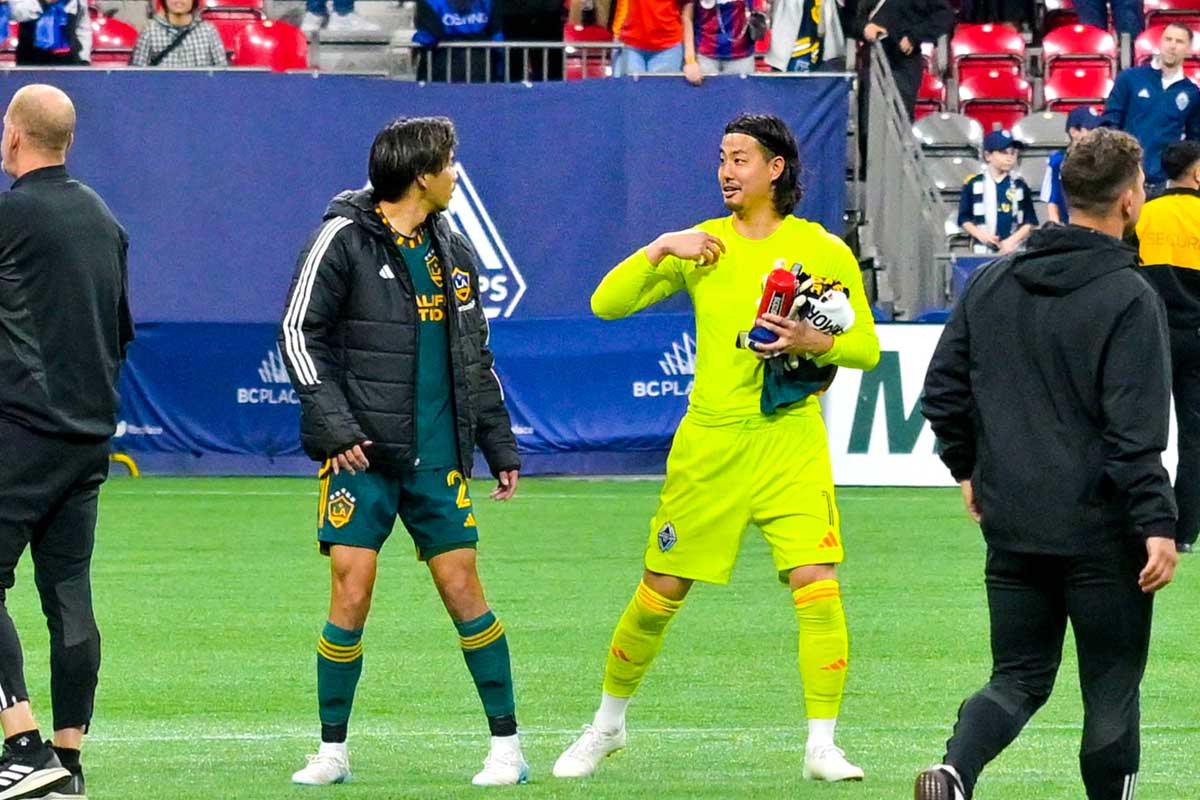
試合終了後に話す高丘とLAギャラクシー山根。同じ横浜市出身で少年時代から知っている仲という。LAギャラクシー戦。2024年4月13日、BCプレース。Photo by Koichi Saito/Japan Canada Today

 そういう意味では自分たちのパフォーマンスが大事だと思いますし、(吉田)麻也さんだったり、(山根)視来くんがMLSに入ってきてくれて、日本人対決でも注目してもらえるポイントが増えたので、いいなと思います。バンクーバーもLAも日本人のコミュニティが大きいので、そういったところでお互いに切磋琢磨していけたらなと思ってます。

‐海外で日本人と対戦するということに何か特別な思いはありますか。

 特別な思いというより、同じ日本人として上を目指している選手というか同士っていうか、相手に(日本人選手が)いるっていうのはそれだけでも刺激ですし。試合中は正直そんなことあんまり考えていなくて、自分がどうやってチームに貢献するかとか、いいプレーするかとか、そっちを考えています。でもファンの方がそういう目線で見てくれてるっていうのは分かりますし、そういった意味でお互いにいいプレーを見せられたらいいかなと思います。

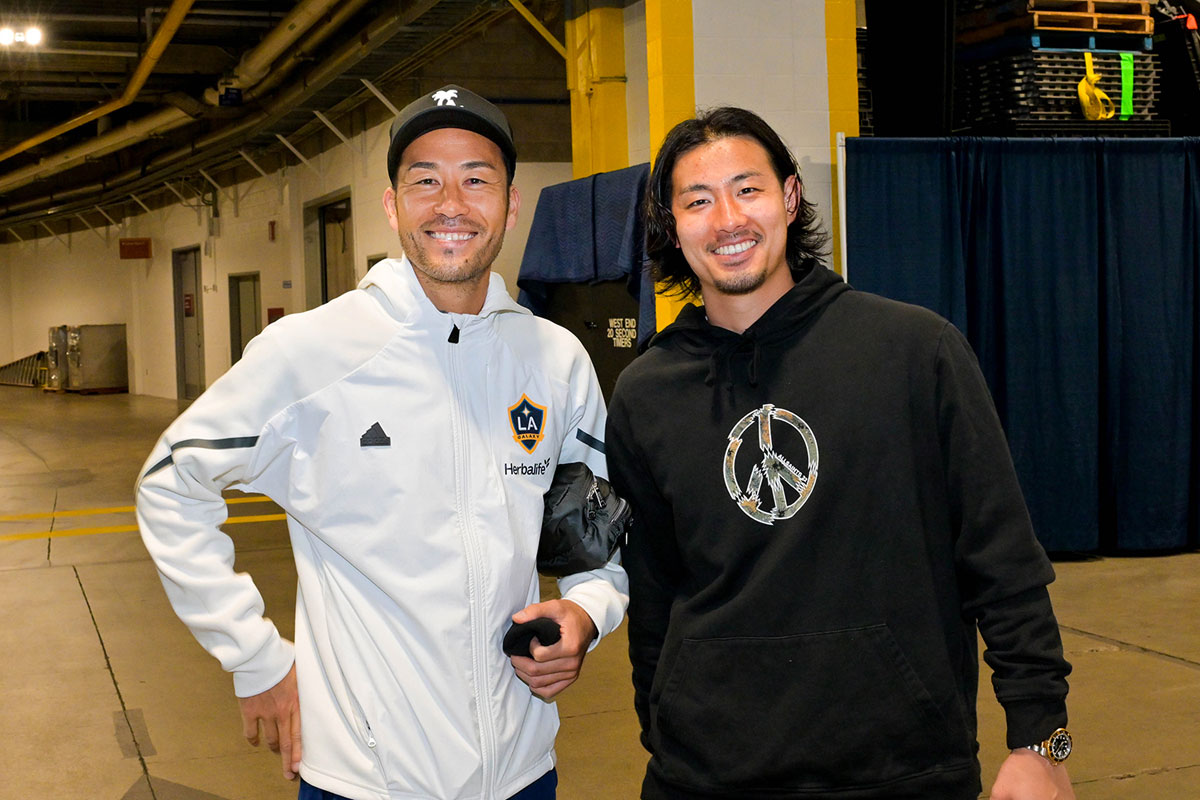
吉田選手と高丘選手。LAギャラクシーがBCプレースを離れる直前に。2024年4月13日、BCプレース。Photo by Koichi Saito/Japan Canada Today

2025年シーズンについて

-来年は3年目ですが、自分にゴールキーパーとしてどういうことを期待していますか。

 チームがうまくいかない時こそ、チームを助けられるようにというか。良い時にはみんな良いので、チームがちょっと苦しい時とかにきちんと止めきるところもそうですし、味方を安心させたり、数字に出づらいところも大事にしたいと思っています。1つのセーブで勝ち点が0になるか1になるか3になるか変わるので、そこをシーズン通して見た中で1つでも多くするっていうのが大事だと思います。

 それ以外のプレーでも当たり前のプレーは当たり前にすることもそうですし、難しいプレーを簡単にしているように見せるっていうのも良いゴールキーパーの大事な要素だと思うので本当に一つ一つのプレーを丁寧にやっていくことでしか、自分が求めてるものは達成できないし、そこは変わらず丁寧にやっていきたいなと思います。

-チームについて、来年は3年目ですが、入団1日目から良い雰囲気と言われてましたが、それは変わらないですか?

 そうですね。そこの印象は特に変わらないですね。ただ、もっと自分たちが強くなるためには言い合っていかなくてはいけない部分はあると思います。それが今年は去年よりも見えたので、良いサインだと思いますけど、まだまだもうちょっとお互いに求め合ってもいいのかなと思います。

随所に好セーブを見せるGK高丘。トロントFC戦。2024年4月6日、BCプレース。Photo by Koichi Saito/Japan Canada Today

‐バンクーバー2年目、日系コミュニティとの関りはどうでしたか?

 スタジアムにも日本人の方がたくさん来てくれて声をかけてくれるので、それはうれしいですし、子どもたちが、将来に、ホワイトキャップスでも、Jリーグでも、少しでも僕の姿を見て刺激をもらってくれればうれしいかなと思います。

-ファンに向けてひと言お願いします。

 レギュラーシーズンを一つでも上の順位で終わるというのは大事ですし、そこから進んでより上まで行くって考えた時にレギュラーシーズンを何位で終わるかっていうのは非常に大事なところだと感じました。そこは、去年、今年よりも来年は求めていきたいです。あとはスタジアムに来てもらって、なにか感じるものを僕たちは届けないといけないと思うので、いいものを届けれるように、チームとしても良いものを見せれるように、僕自身もやれることは全部やっていきたいと思います。

***

 バンクーバー・ホワイトキャップスFCは2024年シーズン終了後、バンニ・サーティニ監督を解任。2025年シーズンは新監督の下でスタートする。

 2025レギュラーシーズンの開幕戦はポートランドで2月23日、ポートランド・ティンバーズと対戦する。ホームでの開幕は3月2日、吉田麻也選手率いる2024年MLSカップ優勝チームのLAギャラクシーをBCプレースに迎える。

好セーブを見せ前半を無失点に抑えたGK高丘。LAギャラクシー戦。2024年4月13日、BCプレース。Photo by Koichi Saito/Japan Canada Today

(記事 三島直美)

合わせて読みたい関連記事
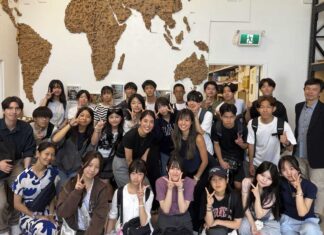
髙橋良明在バンクーバー日本国総領事より新年のごあいさつ

(Tandem Photography & Films)

謹んで新春のお慶びを申し上げます。

本年は、21世紀の4分の1という節目を迎え、私たちは新たな時代に入ろうとしております。ここ数年間の世界の様々な変化の中で、人々の交流が大きく回復していることは素晴らしいことで、特にカナダからの訪日者数の顕著な増加は、両国の未来への大きな希望の一つであると思います。

本年4月には、いよいよ大阪・関西万博が開幕します。カナダのパビリオンは、自然や季節の変化をモチーフとして、河川の氷結と氷解を模した外観とともに、その内部では、文化的多様性、開放性、持続可能な社会に関する取組みなどが紹介される予定と聞いており、大変楽しみにしています。

当館は、カナダ西岸でブリティッシュ・コロンビア州およびユーコンを管轄しており、今後も引き続き、太平洋を挟んだ隣人として、政治、経済、文化、そして人と人との絆を一層深めるために責任ある役割を果たして参りたいと存じます。
新しい年が皆様にとって実り多き素晴らしい一年となりますよう、心よりお祈り申し上げます。

在バンクーバー総領事 髙橋良明
令和7年 元旦 

山野内勘二 駐カナダ大使より新年のごあいさつ

日加トゥデイ読者の皆さま、

 明けましておめでとうございます。

 皆さまにおかれましては、輝かしい新年をお迎えのこととお喜び申し上げます。

 2024年を振り返りますと、カナダでは女子柔道オリンピック選手のクリスタ出口選手がカナダ柔道界初の金メダルを獲得したほか、両国に目を向けると、人工知能(AI)の父と称されるカナダのジェフリー・ヒントン・トロント大学名誉教授がノーベル物理学賞を、日本原水爆被害者協議会(日本被団協)がノーベル平和賞をそれぞれ受賞するなど、喜ばしいニュースがありました。特に、クリスタ出口選手は、日本にも深い繋がりのある選手であり、その活躍に注目しておりました。また、2024年のカナダにおける世論調査によれば、カナダ国民にとって最も好感度が高い国は日本とのことです。日本大使として大変嬉しいニュースとして受け止めています。

 世界を見渡すと様々な厳しい事態が各地で発生しており、刻々と変化する世界情勢の中、日本とカナダは、自由、民主主義、人権、法の支配といった基本的価値を共有する極めて重要な二国間のパートナーとして、また、G7メンバーとして、緊密な協力を行ってきています。

 今日の日加関係は、外交、安全保障、政治、経済、文化交流の各分野において、協力の進展が確認されています。この1年間で首脳会談が3回実施され、インド太平洋情勢への対応や電気自動車やLNG等の経済分野での両国の連携強化を確認しました。また、両外相においても、相互の訪問を含め、頻繁に会談を行い、有意義な意見交換を重ねています。

 2023年9月の経済産業大臣のオタワ訪問時に行われた、蓄電池サプライチェーン及び量子・AI等の産業技術に関する協力覚書の署名を契機として、2024年は日本企業によるカナダでの投資も様々な動きが見られました。例えば、世界が2050年ネットゼロ社会の実現を目指す中での重要な取組として、旭化成を含むホンダのカナダにおける電気自動車に係わる包括的バリューチェーン構築構想は、カナダにとって史上最大規模の投資プロジェクトでもあり、非常に大きな存在感を示しています。

 2025年はカナダがG7議長国を務めますが、激動の国際社会において一層重要な役割を果たすことを期待しています。また、日本から首脳・閣僚を含む多くの関係者がカナダを訪れる機会にもなりますので、この機会を生かして、両国の様々な交流が更に深化することを期待しています。

 また、日本では2025年大阪・関西万博が開催されます。カナダは「再生」(Regeneration)をコンセプトとした、春の訪れをイメージした素敵なパビリオンを出展されます。パビリオン内ではカナダ人の温かさ、開放性、前向きな姿勢が表現され、カナダの革新性、多様性、創造性、持続可能な社会に関する取組を体験できるとのことです。カナダからの訪日観光客数は年々増加していますが、更に多くの方々に訪れていただき、ここから新たな日本とカナダのコラボレーションのきっかけが生まれ、日加関係が一層深まることに期待したいと思います。

 2025年においても、日本とカナダとの関係を更なる高い次元に引き上げられるよう、日本大使館としても、より一層力強く取り組んでまいります。

第12回建友会年次総会を開催

あいさつする建友会・松原会長。写真:建友会

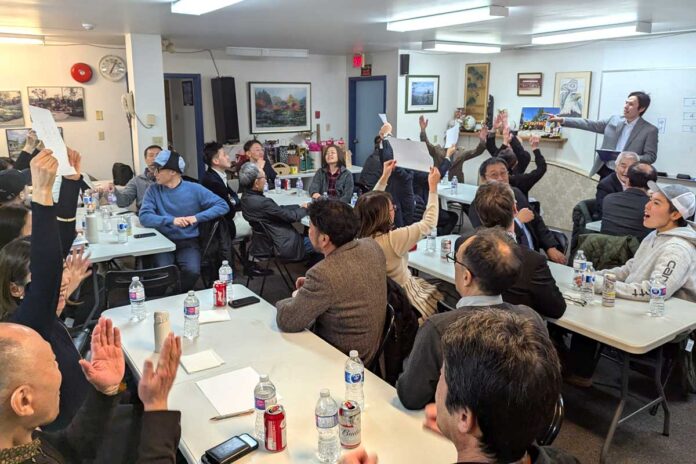
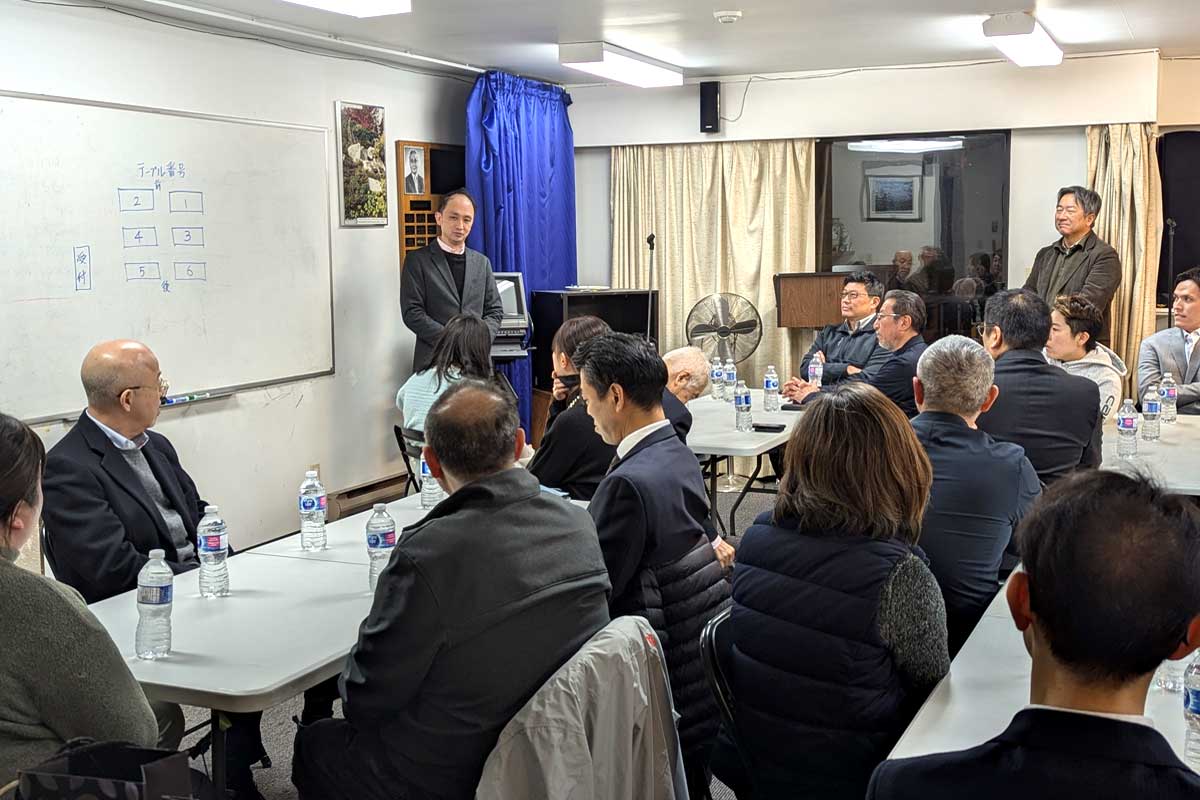
11月20日建友会2025年度の年次総会が、ガーデナーズ協会2階会議室をお借りして開催されました。

26名の会員が会場に来場して出席し、2名の会員がZoomにて出席しました。

年次総会の開始に先立ち、松原会長より挨拶、穴澤役員、和田会計役員から2024年の活動、会計報告がなされました。その後、2025年度の役員として、松原昌輝が会長、Thomas Plamerが副会長、和田健治が会計、三河、伊藤、吉武、花木、穴澤、牧田、村山が役員の総勢10名が立候補・再任されました。

建友会年次総会の様子。写真:建友会
建友会年次総会の様子。写真:建友会

引き続き2025年度の活動、会計計画案が説明され無事年次総会は終了しました。

年次総会終了後、食事と歓談をしたのち、8名の2024年度新規会員の方より、自己紹介・プレゼンを行ってもらい会員間の交流を深めました。

写真:建友会
写真:建友会

会の最後は、トム副会長の閉会の挨拶により締めくくり、2025年度も、役員・会員力を合わせ、建友会および日系コミュニティをより一層盛り上げていくこと決心しました。

建友会懇親会の様子。写真:建友会
建友会懇親会の様子。写真:建友会
建友会懇親会の様子。写真:建友会
建友会懇親会の様子。写真:建友会

(寄稿 建友会)

合わせて読みたい関連記事
日本カナダ商工会議所クリスマス・パーティと第4回小松和子アワード授賞式

参加者全員で。©️Manto Artworks

🎵ジングルベル🎵サンタが町にやって来る🎵

2024年12 月17日、世界各地からの人々を魅了するバンクーバー・ガスタウンは、高層ビルの脇にありながらも、人々の歴史を感じさせる。

見事な壁画や、アンティーク家具を備えたイタリアン・レストランを会場に開催されたのは、日本カナダ商工会議所主催のクリスマス・パーティ。

さまざまなバックグラウンドを持つ、バラエティに富む参加者たちの笑顔に包まれ、煉瓦造りの暖かみの中で、世界がひとつになり、新しい歴史を築き始めるパッションに溢れた。

総勢36名が集った中、ゲストの髙橋良明バンクーバー総領事は、アフガニスタン赴任時のエピソードを、ユーモアたっぷりに語り、大きな喝采を得た。

髙橋良明バンクーバー総領事。©️Manto Artworks

例年、クリスマス・パーティにおいて、日本カナダ商工会議所の『小松和子アワード』の授賞式が行われ、本年度は6名の受賞者が選ばれた。

3つのカテゴリーを持つ同アワードは、日本とカナダをつなぐ活動を通して、日系カナダコミュニティに貢献した人々に贈られる。

カテゴリー 1:

ジョージ・シム氏(ライオンズ・ノースショア・ユース・エクスチェンジ会長)長年に渡り、ノースバンクーバー市と千葉市の姉妹都市交流を推進して来た中心人物。

ジョージ・シム氏。
ジョージ・シム氏。

村上陽子(グラッドストーン日本語学園 学園長)50年に渡り、卒業生延べ2千人以上の日本人やカナダ人に日本語を教えてきた。

グラッドストーン日本語学園村上陽子学園長。©️Manto Artworks

カテゴリー2:

ケーシー若林氏(日本カナダ商工会議所副会長)10年間に渡り、日本カナダ商工会議所の事務局長、副会長を歴任。

ケーシー若林氏
ケーシー若林氏

鈴木美和氏(日本カナダ商工会議所理事)理事に就任して 2年目で、積極的に会の活動を行い、特に本年は UBC キャリア・ネットワークの学生たちと日系コネクト・フェアやグローバル社会で活躍できる若者養成のための「繋ぐ塾」を開催。

カテゴリー3:

清野健二氏(バンクーバー神輿櫻會)長年お神輿を担ぎ、8年前から神輿グループ、櫻會を創設。

清野健二氏。
清野健二氏。

ダグ・マスハラ氏(テツ太鼓)日本の伝統和太鼓をカナダの子供たちに教えて22年。

ダグ・マスハラ氏(テツ太鼓)
ダグ・マスハラ氏(テツ太鼓)

最後に、サミー高橋会長は、日本カナダ商工会議所の存在意義と役割について「この会は日本人以外の人たちもメンバーとして含み、理事会や年次総会、クリスマス・パーティなどは、すべて英語を公用語として使用している。日本とカナダをつなぐマルティカルチュラルな人々を結ぶ連邦政府が承認した唯一の日系ビジネス団体として、ビジネスのみならず、文化、教育、観光等の分野で活動しいることが特徴である」と語った。

サミー高橋会長。©️Manto Artworks

撮影 編集 吉川英治

(寄稿 日本カナダ商工会議所)

合わせて読みたい関連記事
23 ☆ワイングラス「数え方」の奥深さ !

日本語教師  矢野修三

 師走も半ば過ぎ、「今年も残り少なく・・・」こんな挨拶言葉がふさわしい時期になり、あちらこちらで色鮮やかなクリスマスのイルミネーションが目を楽しませてくれる。忘年会など飲み会も重なり、何かと忙しい年の瀬である。

 飲み会といえば、カナダに移住してから、ワインを飲む機会が増え、だんだん好きになり、飲み会での、いかにも日本的なスタートの決まり文句、「最初はビールで・・・」が、今では「最初からワインで・・・」に変わってしまった。

 そんなワイン好きな上級者と忘年会を行なった。居酒屋風パブで4人、輪になってワインを飲む「輪飲(ワイン)会」のスタート。早速「赤だ、白だ」と、いろいろワイン談義が始まり、特にS君はワイングラスの持ち方などにも結構うるさい。

 そこで、この機会にワイングラスの「数え方」を話題にした。先ず、日本語ではどんな数え方をすると思うか、聞いてみた。すると「1個、2個」ですね。でも「1つ、2つ」かも、また「1本、2本」も・・・などいろいろな意見が出たが、何か特別な「数え方」がありそうですね。さすが、なかなか察しがよろしい。

 早速、ワイングラスを片手に、勉強会を始めた。先ず、「1本、2本」は、うーん、気持ちはよく分るが、残念ながらワイングラスには使わない。でも「1個、2個」や「1つ、2つ」はどちらも使われており、全く問題ない。

 しかしながら、正式な数え方は・・・、ワイングラスの細長くなっていて、手で持つ部分、英語ではステム(stem)だが、日本語では「脚」。この漢字の音読みは「キャク」、訓読みは「あし」であり、格式高い店などでは、「1脚(きゃく)、2脚(きゃく)」と数えるよ、と説明した。

 すると、なるほど、と感心しきり。加えて、お客さまに出すグラスの場合は「おもてなし精神」を発揮して「お客」の「客」を使い、「1客、2客」と数える場合もあると補足したら、びっくり。

 さらに、ワインが入っているグラスは中身、つまり「飲み物」に焦点を当てて、「1杯、2杯」と数える場合もあり、と告げると、英語では考えられず、ちんぷんかんぷん。確かに、こんなこと生徒に教える必要はないが・・・、状況に応じて使い分ける日本語ならではの細かな表現方法。

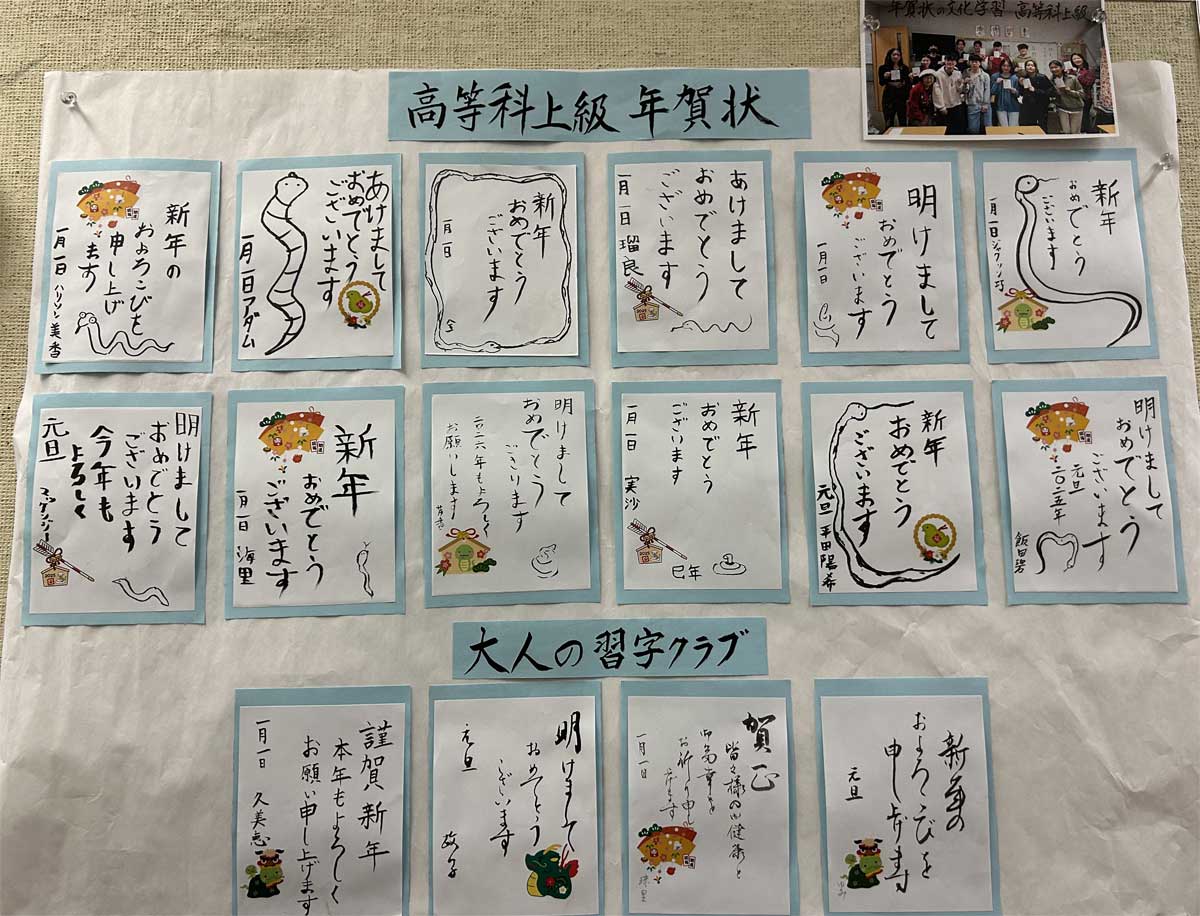
 そこで、おまけにこんな話もつけ加えた。日本ではそろそろ年賀状を準備する時期。でも最近はSNSなどの影響もあり、年賀状離れがかなり進んでいるようでさびしい限りだが、この年賀状の「数え方」である。

 間違いなく、買うときは「1枚、2枚」と数えるが、お正月に友達から届いた年賀状は、日本人はさり気なく、「1通、2通」と数えたくなる。それはお互いの心が通じたから「通」を使うんですよ、と講釈を垂れると、すごい、すごいの連発。教師として、ほんわか気分に。

 こんな話をしていたら、ワインもかなり進んだ。そしてS君曰く、茶目っ気たっぷりに「脚の長いワイングラスを二脚買って、脚の長い彼女とボジョレーヌーボーが飲みたいです」、さらに「日本語って本当に奥が深いですね。ワインと同じように」と、締めの挨拶。奥が深い忘年会であった。

「ことばの交差点」
日本語を楽しく深掘りする矢野修三さんのコラム。日常の何気ない言葉遣いをカナダから考察。日本語を学ぶ外国人の視点に日本語教師として感心しながら日本語を共に学びます。第1回からのコラムはこちら

矢野修三(やの・しゅうぞう)
1994年 バンクーバーに家族で移住(50歳)
YANO Academy(日本語学校)開校
2020年 教室を閉じる(26年間)
現在はオンライン講座を開講中(日本からも可)
・日本語教師養成講座(卒業生2900名)
・外から見る日本語講座(目からうろこの日本語)    
メール:yano@yanoacademy.ca
ホームページ:https://yanoacademy.ca

Today’s セレクト

最新ニュース